Home / Blog / Add On or Move? How Maquoketa Families Actually Decide
Add on or move? How Maquoketa families actually decide.
The math that settles this one is almost never the money. It is the school district, the street, and what a hundred year old house can honestly carry.
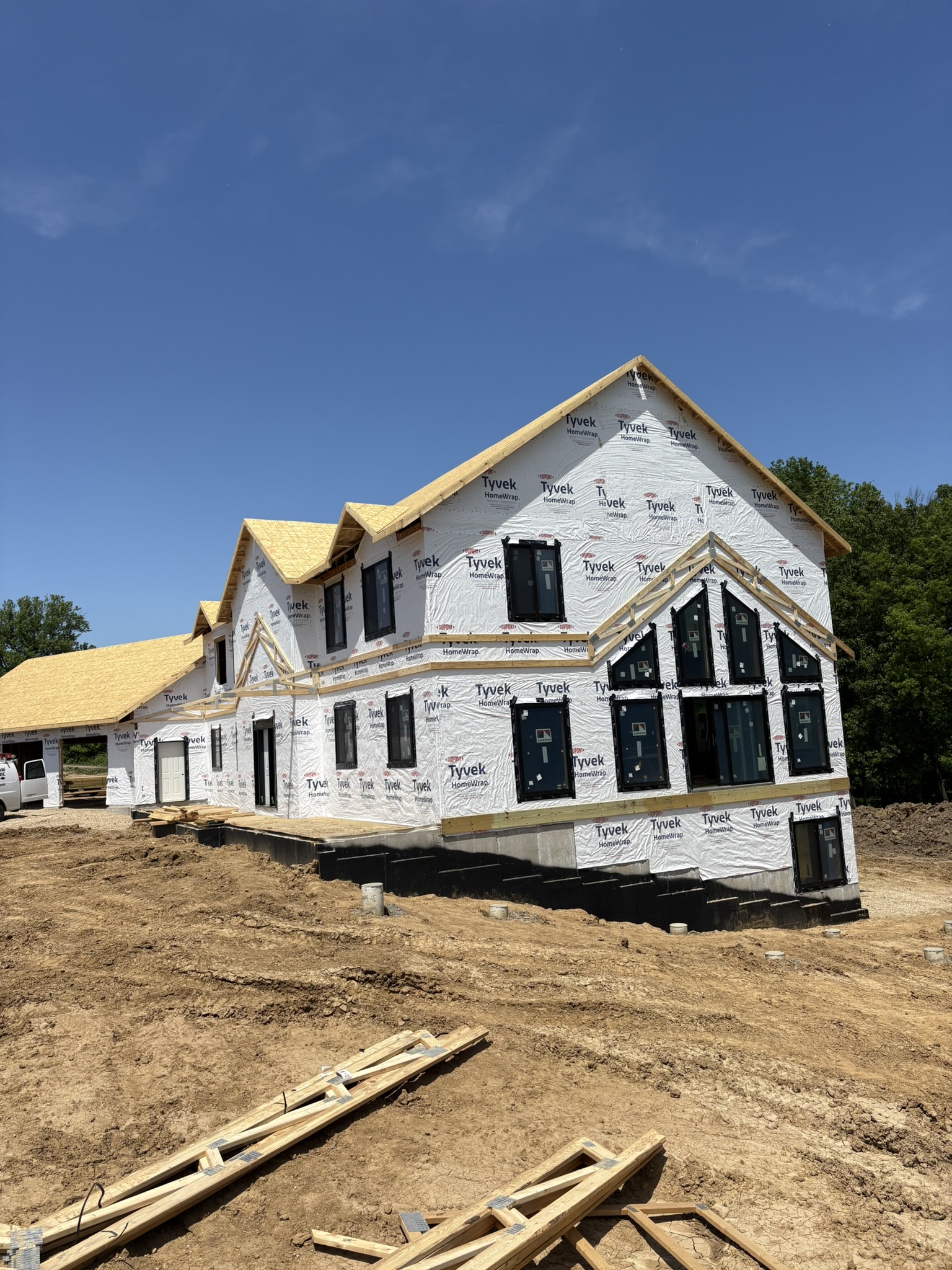
We get called out to houses in Maquoketa where the family has already been arguing about this for a year. The kids are stacked two to a bedroom, somebody is working from the dining room table, and there is a listing saved on somebody’s phone out on the edge of town. Nobody ever calls us because they want an addition. They call because they are trying to decide whether to stay. That is a different conversation, and it deserves a straight one.
What you are actually weighing
Maquoketa is small enough that the street matters. People here know which block they want to be on, which neighbors watch the yard when you are gone, how far the walk is to school, and whether their kid will be with the same friends in the fall. Move a mile and a half and some of that survives. Some of it does not.
So the first thing we ask is simple. If the house had one more bedroom and a second bathroom, would you have any reason to leave? If the answer is no, you are not really shopping for a house. You are short about four hundred square feet, and that is a build problem, not a real estate problem.
The other direction is just as honest. Some families tell us the lot is too tight, the driveway is a headache every winter, or they have always wanted acreage outside of town. An addition does not fix any of that. It just gives you more of a place you were already planning to leave.
What an older Maquoketa house can carry
A lot of the housing stock in town runs from the early 1900s through the 1940s. Those homes were built well, but they were built with what was available, and they have been worked on by six or seven owners since. Three things decide whether an addition goes on cleanly.
The foundation you are tying into
Old limestone and rubble foundations do not tie into new footings the same way poured concrete does. We are not pouring a slab up against the old wall and calling it good. The new foundation goes down to proper frost depth on its own footings, and we detail the joint so the two can move independently without cracking the finishes inside.
The roofline
This is the one homeowners underrate and the one everybody notices from the sidewalk. A steep old gable meeting a shallow new roof reads as an addition from across the street, forever. Matching pitch, keeping the ridge lines talking to each other, and putting the valleys where water actually wants to go is most of what makes an addition look original.
Siding that is no longer made
Original wood lap, older aluminum, certain widths of steel: some of it you simply cannot buy anymore. Sometimes we source a close match and it disappears once everything is painted. Sometimes the honest answer is that the only way to make it look right is to reside the whole house, and we say that out loud on the first visit instead of after demolition.
When an addition makes the house better, and when it just makes it bigger
An addition earns its keep when it fixes how the house works, not just how much of it there is. Putting a real primary bedroom and bath on the main floor so nobody is climbing stairs at night. Getting the laundry out of the basement. Opening a cramped galley kitchen into a room where the family actually ends up standing. Adding a mudroom so the back door stops being a pile of boots and coats.
Where it goes wrong is when square footage gets bolted on without thinking about the rooms it touches. A big new family room that turns the original living room into a hallway. A bedroom addition that leaves the house with one bathroom for five people. A second story on a footprint that darkens the kitchen underneath. The house gets bigger and lives worse, and that is the version people regret.
We would rather talk you out of a bad addition than build one. That comes straight from how Collin runs this company. If moving is the right call for your family, we will tell you, and we will not be offended when you list the place.
Living in the house while we work
Most Maquoketa families stay put through the build, and that is usually workable. The thing to understand is that the disruption is not spread evenly. Foundation and framing happen almost entirely outside the existing walls, and life inside stays close to normal even though the yard is a mess and there is a machine parked out front.
The hard stretch is short. It is the days we open the wall between the old house and the new space, and the days the mechanical work ties in, when water or power goes off for part of a day. We tell you which week that is well ahead of time so you can plan around it instead of finding out that morning.
The rest of it is dust control, plastic in the right doorways, and keeping the site cleaned up at the end of the day. Our customers mention that last part more than anything else in their reviews. It matters more when you are sleeping thirty feet from the work.
One more thing worth planning honestly: the timeline stretches through weather, not through effort. An addition that ties into an old roofline waits for a dry stretch before the wall comes open, because nobody responsible opens a house to an Iowa sky on a hopeful forecast. We would rather hold a week and keep your plaster dry. Families who hear that up front handle the wait fine. The ones who were promised a date by somebody eager to win the job are the ones who end up frustrated.
The questions that settle it on the first walk through
When Collin comes out, the decision usually gets clear inside an hour. He is asking how long you plan to be in the house, what you would fix about it if money were not part of the conversation, where everybody actually spends their time, and whether the yard you would be giving up is the yard you use. Then he looks at the basement, the roof, and the service panel, because those three tell him what the house can take.
Some walk throughs end with a plan for an addition. Some end with us telling a family that their money is better spent on the house they buy next. Either way you get a straight answer, and if it is a build, you get a fixed written price before anything starts. See what we do on home additions in Maquoketa, then reach out through the contact page and we will set up a time.
If you would rather just talk it through first, call (563) 581-3819 and ask for Collin, or send the details over on our contact form. There is no charge for the visit and no pressure to build.